

Streamlining Loan Origination with Salesforce: A Technical Deep Dive
In the digital age, lenders face growing pressure to offer a seamless loan origination (LOS) experience. For lenders, navigating the complexities of a lending origination system can be a delicate dance. But what if you could ditch the clunky siloed systems and embrace a cloud-based solution that boosts efficiency, reduces errors, and delivers a seamless experience for both lenders and borrowers? That’s where Salesforce enters the stage.
Salesforce can help transcend the limitations of traditional LOS by offering a unified platform that streamlines the entire lending journey. Think pre-qualification, application, verification, underwriting, and closing — all orchestrated on a single, secure platform. This not only eliminates data duplication and manual handoffs but also fosters real-time collaboration between loan officers, processors, and underwriters. The result? Faster loan approvals, fewer errors, and happier borrowers kept informed every step of the way.
Salesforce’s magic extends beyond operational efficiency. Its intuitive interface and customisable workflows offer a personalized experience for borrowers, letting them submit documents electronically, track progress, and even sign documents digitally. This translates to increased borrower satisfaction and loyalty, a crucial advantage in today’s competitive lending landscape.
So, if you’re looking to ditch the antiquated LOS and embrace a modern, borrower-centric lending system, Salesforce is the clear choice. Its cloud-based agility, streamlined workflows, and enhanced borrower experience pave the way for faster loan processing, reduced costs, and a thriving lending business.
This article delves into the functional and technical intricacies of building a Loan Origination System (LOS) using the Salesforce platform and products ecosystem, outlining key components, features, and technical considerations for a successful implementation.
Key Processes and Modules
A typical lending process covers the following modules and features.
Key Stakeholders
A typical LOS process has the following stakeholders or user personas.
Salesforce Features
The following are key Salesforce features that can be used to design an elegant solution.
LOS Architecture Considerations
The following technical considerations are key to a successful LOS implementation.
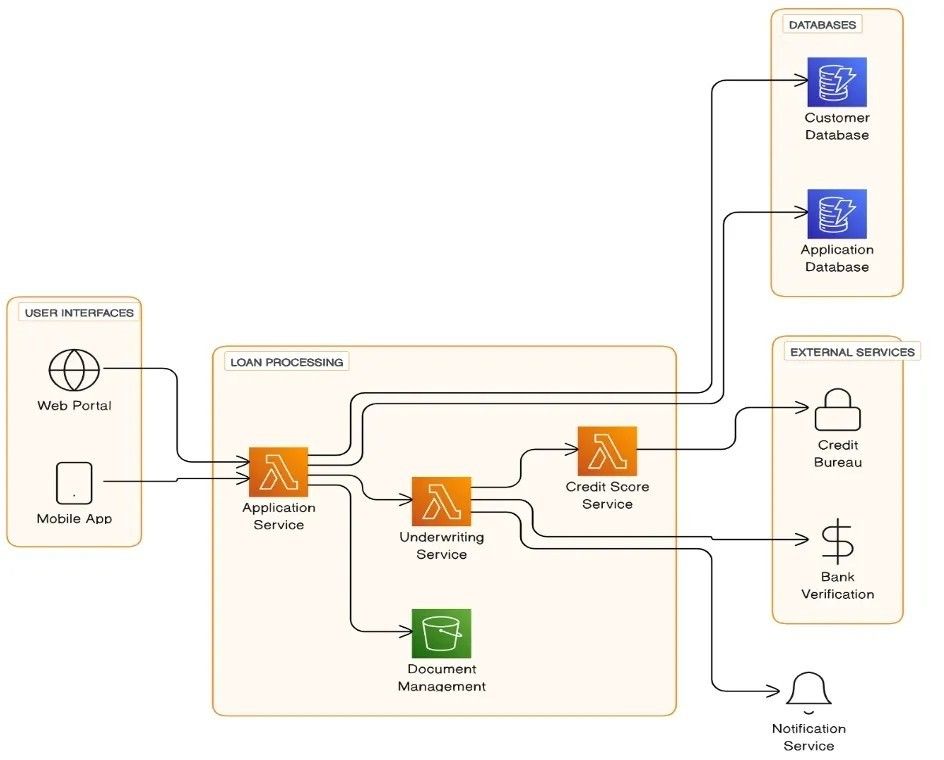
LOS Functional Architecture
LOS Modules and High Level Solution highlights
The next few sections describe the key LOS modules and how Salesforce features and functions can be mapped and used for a successful implementation.
Credit Underwriting Rules and Deviations Management
Maker Checker Process
KYC Features in the Application Form
Credit Check Features and Credit Bureau Integrations
Field Investigation and Personal Discussion
Managing Field Force and Third-Party Providers
Assessment and Decision-Making
Automated Document Generation
Leveraging OCR for Enhanced Data Accuracy and Efficiency
Use Salesforce Intelligent Form Reader to bring in OCR technology to read PDF, Images, Word or Excel documents and intelligently convert un-structured data to structured data.
Einstein OCR:
Benefits of OCR Integration:
Loan Approval Process
Disbursement Process
Experience Cloud for Applicants
LOS Masters and Document Checklist Management
Seamless Integration with Loan Management System (LMS)
Integration with the on premise or cloud based LMS is key to bridging the Gap for Post-Origination Processes.
Data Sharing and Synchronisation
LOS Integration Landscape
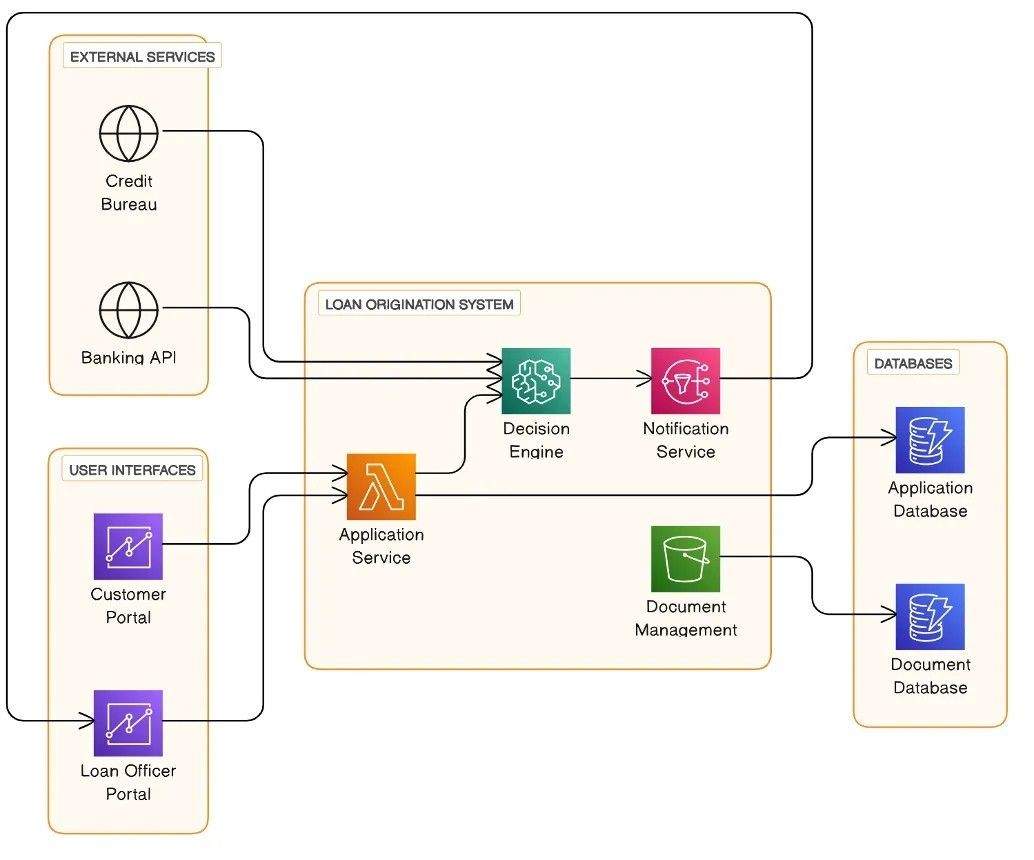
Benefits of LMS Integration
Conclusion
Building an LOS on Salesforce empowers lenders to offer a faster, more efficient, and data-driven loan origination experience. By leveraging the platform’s robust capabilities, lenders can achieve greater operational agility, improve customer satisfaction, and gain a competitive edge in the digital lending landscape.
Key Benefits
By integrating these features into your Salesforce LOS, you can create a comprehensive and efficient system that streamlines loan origination from application to disbursement, while minimising risk and enhancing both borrower and lender experience.